Buy blog.co.at ?
We are moving the project
blog.co.at .
Are you interested in purchasing the domain
blog.co.at ?
domain@kv-gmbh.de · 0541-91531010
Buy blog.co.at ?
Can you explain saponification?
Saponification is a chemical reaction that occurs when a fat or oil is mixed with a strong alkali, such as sodium hydroxide (lye), resulting in the formation of soap and glycerin. During saponification, the alkali breaks down the ester bonds in the fat molecules, releasing fatty acids and glycerol. The fatty acids then react with the alkali to form soap molecules, while glycerin is a byproduct of the reaction. This process is commonly used in the production of soap. **
How does saponification work in chemistry?
Saponification is a chemical reaction that involves the hydrolysis of ester bonds in fats and oils by a strong base, typically sodium hydroxide or potassium hydroxide. This reaction results in the formation of glycerol and soap molecules, which are the salts of fatty acids. The hydroxide ions from the base break the ester bonds in the triglyceride molecules, releasing the fatty acids and glycerol. The fatty acids then react with the metal ions from the base to form soap molecules, which are soluble in water and have detergent properties. **

Similar search terms for Saponification
Top-Angebote
Products related to Saponification:
-
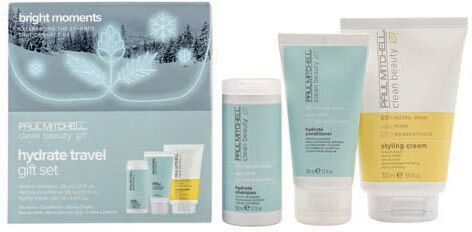
Paul Mitchell Clean Beauty Hydrate Travel Gift SetCrafted to replenish dry and thirsty hair, the hydrate shampoo gently cleanses with a lather that will leave your hair soft and healthy looking. The hydrate conditioner quenches dry, thirsty strands with the hydrating goodness of plants. Both shampoo & conditioner are infused with organic Olive and Oat Peptide which help to maintain hair health, protect the scalp and restore moisture balance. This travel set also includes a 3.4 oz styling cream. Versatile and lightweight, this cream provides multiple benefits by softening, smoothing and sealing hair. Flax seed and ferulic acid infusion helps to nourish, strengthen and protect strands against any external stressors. Manufactured using 100% clean energy, carbon negative and in bio-based 100% recyclable packaging. Vegan, cruelty free and safe for coloured hair. Ingredients: Hydrate Shampoo 1.7 oz. (50ml) Aqua (Water, Eau), Sodium C14-16 Olefin Sulfonate, Sodium Cocoamphoacetate, Glycerin, Silicone Quaternium-22, Cocamidopropyl Betaine, Verbascum Densiflorum Flower/Stem Extract, Helichrysum Italicum Extract, Cota Tinctoria Flower/Leaf/Stem Extract, Linum Usitatissimum, (Linseed) Seed Extract, Avena Sativa (Oat) Peptide, Olive Glycerides, Acrylates/C10-30 Alkyl Acrylate Crosspolymer, Ppg-3 Myristyl Ether, Polyquaternium-10, Peg-12 Dimethicone, Caprylyl Glycol, Glycol Distearate, Isostearyl Neopentanoate, Glyceryl Linoleate, Glyceryl Linolenate, Glyceryl Oleate, Laureth-4, Dimethylglucamine, Trideceth-8, Citric Acid, Disodium Edta, Phenoxyethanol, Sodium Gluceptate, Sodium Benzoate, Phenethyl Alcohol, Potassium Sorbate, Parfum (Fragrance), Limonene, Benzyl Alcohol Hydrate Conditioner 1.7 oz. (50ml) Aqua (Water, Eau), Cetearyl Alcohol, Behentrimonium Chloride, Amodimethicone, Cetyl Esters, Isostearyl Neopentanoate, Verbascum Densiflorum Flower/Stem Extract, Helichrysum Italicum, Extract, Cota Tinctoria Flower/Leaf/Stem Extract, Linum Usitatissimum (Linseed) Seed Extract, Avena, Sativa (Oat) Peptide, Olive Glycerides, Caprylyl Glycol, Glycerin, Glyceryl Oleate, Trideceth-12, C11-15 Pareth-7, Laureth-9, Cetrimonium Chloride, Glyceryl Linolenate, Glyceryl Linoleate, Citric Acid, Disodium Edta, Phenoxyethanol, Potassium Sorbate, Sodium Benzoate, Parfum (Fragrance), Benzyl Alcohol, Limonene Styling Cream 3.4 oz. (100 ml) Aqua (Water, Eau), Cetearyl Alcohol, Vp/Dmapa Acrylates Copolymer, Polyquaternium-37, Behentrimonium Methosulfate, Dimethicone, Propylene Glycol, Linum Usitatissimum (Linseed) Seed Extract, Hydrolyzed Vegetable Protein, Helianthus Annuus (Sunflower) Seed Extract, Ferulic Acid, Hydrolyzed Olive Fruit, Alcohol Denat, Ppg-20 Methyl Glucose Ether, Caprylyl Glycol, Panthenol, Cetrimonium Chloride, Citric Acid, Glycerin, Disodium Edta, Sodium Benzoate, Phenoxyethanol, Benzalkonium Chloride, Potassium Sorbate, Parfum (Fragrance), Benzyl Alcohol40,50 £*Shipping: 0,00 £Secure redirect to the provider
-
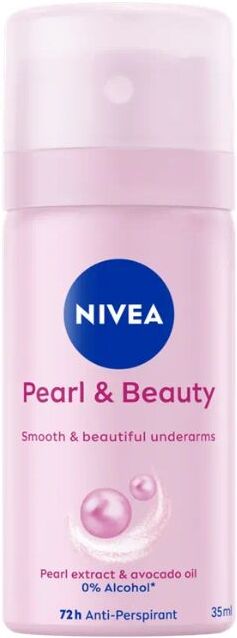
Nivea Pearl & Beauty Deodorant Spray 35ml Travel SizeA convenient travel-size deodorant spray that provides reliable 48-hour protection against sweat and odour. Infused with pearl extracts, the gentle formula helps care for underarm skin while promoting a smooth, soft feel and an even appearance. Leaves a delicate, long-lasting fragrance for all-day freshness wherever you go.3,50 £*Shipping: 3,99 £Secure redirect to the provider


-
What are chemical reactions in saponification?
Chemical reactions in saponification involve the reaction of a fat or oil with a strong base, typically sodium hydroxide or potassium hydroxide. This reaction results in the formation of soap and glycerol. The fatty acids in the fat or oil react with the base to form the soap molecules, while glycerol is a byproduct of the reaction. Saponification is a key process in soap-making and is essential for the production of soap. **
-
Is this saponification reaction equation correct?
Yes, the saponification reaction equation provided is correct. Saponification is the process of making soap by reacting a fat or oil with a strong base, such as sodium hydroxide or potassium hydroxide. The reaction results in the formation of soap (sodium or potassium salts of fatty acids) and glycerol. The equation shown accurately represents this chemical transformation. **
-
What is the equation for saponification?
The general equation for saponification is: ester + base → alcohol + carboxylate salt. In the specific case of the saponification of a triglyceride (fat or oil) with a strong base such as sodium hydroxide, the equation is: triglyceride + sodium hydroxide → glycerol + 3 fatty acid salts. **
-
How can one derive the saponification value?
The saponification value can be derived by determining the amount of potassium hydroxide (KOH) or sodium hydroxide (NaOH) required to saponify a specific amount of fat or oil. This is typically done through a chemical reaction where the fat or oil is mixed with a known concentration of KOH or NaOH. The amount of KOH or NaOH used in the reaction is then measured, and the saponification value is calculated based on the molecular weight of the fat or oil. This value is important in determining the amount of alkali needed for soap making or in assessing the purity of fats and oils. **


What is the reaction equation for saponification?
The reaction equation for saponification involves the hydrolysis of an ester, typically a triglyceride, with a strong base such as sodium hydroxide or potassium hydroxide. The general equation for saponification is: Ester + Base → Alcohol + Salt of Fatty Acid. For example, in the saponification of a triglyceride like olive oil, the reaction equation would be: Triglyceride (olive oil) + 3NaOH → Glycerol + 3 Sodium Salts of Fatty Acids (soap). **
How can one determine the saponification value?
The saponification value can be determined by performing a chemical reaction called saponification on a known weight of the fat or oil sample. This reaction involves the hydrolysis of the ester bonds in the fat or oil with a strong base, such as potassium hydroxide. The amount of base required to saponify the fat or oil is then measured, and the saponification value is calculated based on the weight of the sample and the amount of base used. This value is expressed as the number of milligrams of potassium hydroxide required to saponify one gram of the fat or oil sample. **
Top-Angebote
Products related to Saponification:
-
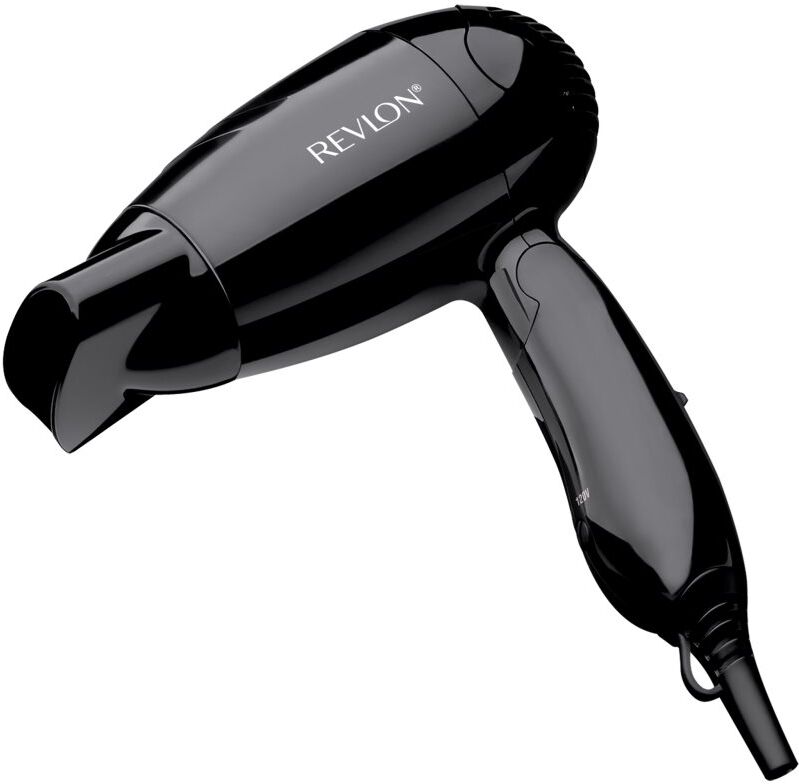
Revlon Beauty Hair Dryer Travel travel hairdryer 1 pcRevlon Beauty Hair Dryer Travel, 1 pc, Travel Hair Dryers and Straighteners for Women, Anyone who travels frequently knows that every extra centimetre and gram matters. If you do not like to leave your hair wet after washing it, but you don’t have any room left in your luggage, the Revlon Beauty Hair Dryer Travel travel hairdryer provides an elegant and simple solution. Thanks to its folding handle and compact dimensions, it takes up only minimum space, and despite its smaller size, it dries any hair type quickly, effectively and gently at the same time. Do not compromise when it comes to effective hair drying. Put your trust in the compact yet efficient hairdryer that fits into any bag, backpack or suitcase, accompanying you during your travels. Characteristics: ideal for travelling option to regulate speed light weight, ergonomic design folding handle How to use: Follow the instructions for use included.18,90 £*Shipping: 3,99 £Secure redirect to the provider
-
Saro Lifestyle "Sheer Beauty Embroidered Table Runner - 16""x72"""Enhance your dining table with the Sheer Beauty Embroidered Table Runner. This elegant piece adds texture and style to your setup, making every meal feel like a special occasion.29,81 $*Shipping: 0,00 $Secure redirect to the provider
-
Paul Mitchell Clean Beauty Hydrate Travel Gift SetCrafted to replenish dry and thirsty hair, the hydrate shampoo gently cleanses with a lather that will leave your hair soft and healthy looking. The hydrate conditioner quenches dry, thirsty strands with the hydrating goodness of plants. Both shampoo & conditioner are infused with organic Olive and Oat Peptide which help to maintain hair health, protect the scalp and restore moisture balance. This travel set also includes a 3.4 oz styling cream. Versatile and lightweight, this cream provides multiple benefits by softening, smoothing and sealing hair. Flax seed and ferulic acid infusion helps to nourish, strengthen and protect strands against any external stressors. Manufactured using 100% clean energy, carbon negative and in bio-based 100% recyclable packaging. Vegan, cruelty free and safe for coloured hair. Ingredients: Hydrate Shampoo 1.7 oz. (50ml) Aqua (Water, Eau), Sodium C14-16 Olefin Sulfonate, Sodium Cocoamphoacetate, Glycerin, Silicone Quaternium-22, Cocamidopropyl Betaine, Verbascum Densiflorum Flower/Stem Extract, Helichrysum Italicum Extract, Cota Tinctoria Flower/Leaf/Stem Extract, Linum Usitatissimum, (Linseed) Seed Extract, Avena Sativa (Oat) Peptide, Olive Glycerides, Acrylates/C10-30 Alkyl Acrylate Crosspolymer, Ppg-3 Myristyl Ether, Polyquaternium-10, Peg-12 Dimethicone, Caprylyl Glycol, Glycol Distearate, Isostearyl Neopentanoate, Glyceryl Linoleate, Glyceryl Linolenate, Glyceryl Oleate, Laureth-4, Dimethylglucamine, Trideceth-8, Citric Acid, Disodium Edta, Phenoxyethanol, Sodium Gluceptate, Sodium Benzoate, Phenethyl Alcohol, Potassium Sorbate, Parfum (Fragrance), Limonene, Benzyl Alcohol Hydrate Conditioner 1.7 oz. (50ml) Aqua (Water, Eau), Cetearyl Alcohol, Behentrimonium Chloride, Amodimethicone, Cetyl Esters, Isostearyl Neopentanoate, Verbascum Densiflorum Flower/Stem Extract, Helichrysum Italicum, Extract, Cota Tinctoria Flower/Leaf/Stem Extract, Linum Usitatissimum (Linseed) Seed Extract, Avena, Sativa (Oat) Peptide, Olive Glycerides, Caprylyl Glycol, Glycerin, Glyceryl Oleate, Trideceth-12, C11-15 Pareth-7, Laureth-9, Cetrimonium Chloride, Glyceryl Linolenate, Glyceryl Linoleate, Citric Acid, Disodium Edta, Phenoxyethanol, Potassium Sorbate, Sodium Benzoate, Parfum (Fragrance), Benzyl Alcohol, Limonene Styling Cream 3.4 oz. (100 ml) Aqua (Water, Eau), Cetearyl Alcohol, Vp/Dmapa Acrylates Copolymer, Polyquaternium-37, Behentrimonium Methosulfate, Dimethicone, Propylene Glycol, Linum Usitatissimum (Linseed) Seed Extract, Hydrolyzed Vegetable Protein, Helianthus Annuus (Sunflower) Seed Extract, Ferulic Acid, Hydrolyzed Olive Fruit, Alcohol Denat, Ppg-20 Methyl Glucose Ether, Caprylyl Glycol, Panthenol, Cetrimonium Chloride, Citric Acid, Glycerin, Disodium Edta, Sodium Benzoate, Phenoxyethanol, Benzalkonium Chloride, Potassium Sorbate, Parfum (Fragrance), Benzyl Alcohol40,50 £*Shipping: 0,00 £Secure redirect to the provider
-
Can you explain saponification?
Saponification is a chemical reaction that occurs when a fat or oil is mixed with a strong alkali, such as sodium hydroxide (lye), resulting in the formation of soap and glycerin. During saponification, the alkali breaks down the ester bonds in the fat molecules, releasing fatty acids and glycerol. The fatty acids then react with the alkali to form soap molecules, while glycerin is a byproduct of the reaction. This process is commonly used in the production of soap. **
-
How does saponification work in chemistry?
Saponification is a chemical reaction that involves the hydrolysis of ester bonds in fats and oils by a strong base, typically sodium hydroxide or potassium hydroxide. This reaction results in the formation of glycerol and soap molecules, which are the salts of fatty acids. The hydroxide ions from the base break the ester bonds in the triglyceride molecules, releasing the fatty acids and glycerol. The fatty acids then react with the metal ions from the base to form soap molecules, which are soluble in water and have detergent properties. **
-
What are chemical reactions in saponification?
Chemical reactions in saponification involve the reaction of a fat or oil with a strong base, typically sodium hydroxide or potassium hydroxide. This reaction results in the formation of soap and glycerol. The fatty acids in the fat or oil react with the base to form the soap molecules, while glycerol is a byproduct of the reaction. Saponification is a key process in soap-making and is essential for the production of soap. **
-
Is this saponification reaction equation correct?
Yes, the saponification reaction equation provided is correct. Saponification is the process of making soap by reacting a fat or oil with a strong base, such as sodium hydroxide or potassium hydroxide. The reaction results in the formation of soap (sodium or potassium salts of fatty acids) and glycerol. The equation shown accurately represents this chemical transformation. **
Similar search terms for Saponification
-
Nivea Pearl & Beauty Deodorant Spray 35ml Travel SizeA convenient travel-size deodorant spray that provides reliable 48-hour protection against sweat and odour. Infused with pearl extracts, the gentle formula helps care for underarm skin while promoting a smooth, soft feel and an even appearance. Leaves a delicate, long-lasting fragrance for all-day freshness wherever you go.3,50 £*Shipping: 3,99 £Secure redirect to the provider
-
Beauty Check-in Kit - Travel Size Makeup Kit Charlotte Tilbury 3135 Beauty Check-in Kit Size:Darlings, never be without my beauty bestsellers with my NEW! Beauty Check-In Kit! Including 5 mini makeup icons in your favourite formulas, this is the perfect kit of travel essentials for on-the-go touch-ups! ONLY available on CharlotteTilbury.com and the Charlotte Tilbury App, this kit includes:72,00 £*Shipping: 0,00 £Secure redirect to the provider
-
Uplift Treasures Fashion Smart Fitness Ring Heart Rate Pedometer Health Tracker black 10Product Description Combine style and wellness with this elegant smart fitness ring designed especially for everyday health tracking. Featuring heart rate monitoring, step counting, and sports activity tracking, this diamond style smart ring blends...33,97 $*Shipping: 0,00 $Secure redirect to the provider
-
What is the equation for saponification?
The general equation for saponification is: ester + base → alcohol + carboxylate salt. In the specific case of the saponification of a triglyceride (fat or oil) with a strong base such as sodium hydroxide, the equation is: triglyceride + sodium hydroxide → glycerol + 3 fatty acid salts. **
-
How can one derive the saponification value?
The saponification value can be derived by determining the amount of potassium hydroxide (KOH) or sodium hydroxide (NaOH) required to saponify a specific amount of fat or oil. This is typically done through a chemical reaction where the fat or oil is mixed with a known concentration of KOH or NaOH. The amount of KOH or NaOH used in the reaction is then measured, and the saponification value is calculated based on the molecular weight of the fat or oil. This value is important in determining the amount of alkali needed for soap making or in assessing the purity of fats and oils. **
-
What is the reaction equation for saponification?
The reaction equation for saponification involves the hydrolysis of an ester, typically a triglyceride, with a strong base such as sodium hydroxide or potassium hydroxide. The general equation for saponification is: Ester + Base → Alcohol + Salt of Fatty Acid. For example, in the saponification of a triglyceride like olive oil, the reaction equation would be: Triglyceride (olive oil) + 3NaOH → Glycerol + 3 Sodium Salts of Fatty Acids (soap). **
-
How can one determine the saponification value?
The saponification value can be determined by performing a chemical reaction called saponification on a known weight of the fat or oil sample. This reaction involves the hydrolysis of the ester bonds in the fat or oil with a strong base, such as potassium hydroxide. The amount of base required to saponify the fat or oil is then measured, and the saponification value is calculated based on the weight of the sample and the amount of base used. This value is expressed as the number of milligrams of potassium hydroxide required to saponify one gram of the fat or oil sample. **
* All prices are inclusive of VAT and, if applicable, plus shipping costs. The offer information is based on the details provided by the respective shop and is updated through automated processes. Real-time updates do not occur, so deviations can occur in individual cases. ** Note: Parts of this content were created by AI.