Buy blog.co.at ?
We are moving the project
blog.co.at .
Are you interested in purchasing the domain
blog.co.at ?
domain@kv-gmbh.de · 0541-91531010
Buy blog.co.at ?
How does one read Sanskrit?
Reading Sanskrit involves understanding the Devanagari script, which is the script used to write Sanskrit. Each character in Devanagari represents a specific sound, and the script is written from left to right. It is important to learn the pronunciation rules and understand the diacritical marks used in Sanskrit to correctly read and pronounce the words. Practice and familiarity with the script are key to becoming proficient in reading Sanskrit texts. **
How can one learn Sanskrit?
One can learn Sanskrit through various means such as enrolling in a formal course at a university or language institute, finding a private tutor, or using online resources and self-study materials. There are also many books, apps, and websites available for learning Sanskrit, as well as online courses and tutorials. It is important to practice regularly and immerse oneself in the language as much as possible to gain proficiency. Additionally, seeking out opportunities to engage with native speakers and participate in language exchange programs can also be beneficial for learning Sanskrit. **

Similar search terms for Sanskrit
Top-Angebote
Products related to Sanskrit:
-
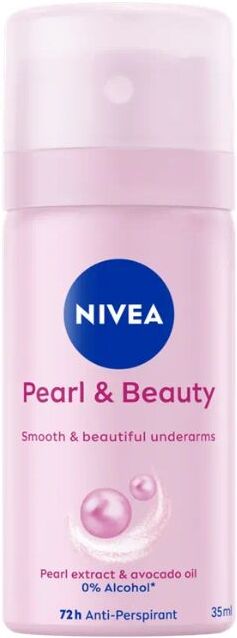
Nivea Pearl & Beauty Deodorant Spray 35ml Travel SizeA convenient travel-size deodorant spray that provides reliable 48-hour protection against sweat and odour. Infused with pearl extracts, the gentle formula helps care for underarm skin while promoting a smooth, soft feel and an even appearance. Leaves a delicate, long-lasting fragrance for all-day freshness wherever you go.3,50 £*Shipping: 3,99 £Secure redirect to the provider
-
Paul Mitchell Clean Beauty Hydrate Travel Gift SetCrafted to replenish dry and thirsty hair, the hydrate shampoo gently cleanses with a lather that will leave your hair soft and healthy looking. The hydrate conditioner quenches dry, thirsty strands with the hydrating goodness of plants. Both shampoo & conditioner are infused with organic Olive and Oat Peptide which help to maintain hair health, protect the scalp and restore moisture balance. This travel set also includes a 3.4 oz styling cream. Versatile and lightweight, this cream provides multiple benefits by softening, smoothing and sealing hair. Flax seed and ferulic acid infusion helps to nourish, strengthen and protect strands against any external stressors. Manufactured using 100% clean energy, carbon negative and in bio-based 100% recyclable packaging. Vegan, cruelty free and safe for coloured hair. Ingredients: Hydrate Shampoo 1.7 oz. (50ml) Aqua (Water, Eau), Sodium C14-16 Olefin Sulfonate, Sodium Cocoamphoacetate, Glycerin, Silicone Quaternium-22, Cocamidopropyl Betaine, Verbascum Densiflorum Flower/Stem Extract, Helichrysum Italicum Extract, Cota Tinctoria Flower/Leaf/Stem Extract, Linum Usitatissimum, (Linseed) Seed Extract, Avena Sativa (Oat) Peptide, Olive Glycerides, Acrylates/C10-30 Alkyl Acrylate Crosspolymer, Ppg-3 Myristyl Ether, Polyquaternium-10, Peg-12 Dimethicone, Caprylyl Glycol, Glycol Distearate, Isostearyl Neopentanoate, Glyceryl Linoleate, Glyceryl Linolenate, Glyceryl Oleate, Laureth-4, Dimethylglucamine, Trideceth-8, Citric Acid, Disodium Edta, Phenoxyethanol, Sodium Gluceptate, Sodium Benzoate, Phenethyl Alcohol, Potassium Sorbate, Parfum (Fragrance), Limonene, Benzyl Alcohol Hydrate Conditioner 1.7 oz. (50ml) Aqua (Water, Eau), Cetearyl Alcohol, Behentrimonium Chloride, Amodimethicone, Cetyl Esters, Isostearyl Neopentanoate, Verbascum Densiflorum Flower/Stem Extract, Helichrysum Italicum, Extract, Cota Tinctoria Flower/Leaf/Stem Extract, Linum Usitatissimum (Linseed) Seed Extract, Avena, Sativa (Oat) Peptide, Olive Glycerides, Caprylyl Glycol, Glycerin, Glyceryl Oleate, Trideceth-12, C11-15 Pareth-7, Laureth-9, Cetrimonium Chloride, Glyceryl Linolenate, Glyceryl Linoleate, Citric Acid, Disodium Edta, Phenoxyethanol, Potassium Sorbate, Sodium Benzoate, Parfum (Fragrance), Benzyl Alcohol, Limonene Styling Cream 3.4 oz. (100 ml) Aqua (Water, Eau), Cetearyl Alcohol, Vp/Dmapa Acrylates Copolymer, Polyquaternium-37, Behentrimonium Methosulfate, Dimethicone, Propylene Glycol, Linum Usitatissimum (Linseed) Seed Extract, Hydrolyzed Vegetable Protein, Helianthus Annuus (Sunflower) Seed Extract, Ferulic Acid, Hydrolyzed Olive Fruit, Alcohol Denat, Ppg-20 Methyl Glucose Ether, Caprylyl Glycol, Panthenol, Cetrimonium Chloride, Citric Acid, Glycerin, Disodium Edta, Sodium Benzoate, Phenoxyethanol, Benzalkonium Chloride, Potassium Sorbate, Parfum (Fragrance), Benzyl Alcohol40,50 £*Shipping: 0,00 £Secure redirect to the provider


-
How can one best learn Sanskrit?
One of the best ways to learn Sanskrit is by taking formal classes with a qualified teacher who can provide guidance and feedback. Additionally, practicing regularly by reading Sanskrit texts, writing in Sanskrit, and speaking the language with others can help reinforce learning. Utilizing resources such as textbooks, online courses, and language learning apps can also be beneficial in supplementing one's learning. Immersing oneself in the language and culture by attending Sanskrit workshops, seminars, or visiting India can further enhance one's understanding and proficiency in Sanskrit. **
-
How can one write 'heart' in Sanskrit?
The word "heart" in Sanskrit is written as "हृदय" (hṛdaya). This word is used to refer to the physical heart as well as the emotional and spiritual center of a person. In Sanskrit, the heart is considered the seat of emotions, consciousness, and the source of life. **
-
Which language is most similar to Sanskrit?
The language most similar to Sanskrit is probably Hindi. Both languages belong to the Indo-Aryan branch of the Indo-European language family and share a lot of vocabulary, grammar, and phonetic features. Many words in Hindi are derived from Sanskrit, and the two languages also have similar sentence structures and verb conjugations. Additionally, both languages use the Devanagari script for writing. **
-
Which language is older, Urdu or Sanskrit?
Sanskrit is considered to be older than Urdu. Sanskrit is an ancient Indo-Aryan language that has been used in the Indian subcontinent for thousands of years and is the liturgical language of Hinduism, Buddhism, and Jainism. Urdu, on the other hand, is a more recent language that developed in the Indian subcontinent during the Mughal period, blending elements of Persian, Arabic, and Turkish with local languages. Therefore, Sanskrit is generally considered to be older than Urdu. **


What is the Sanskrit translation for Tattoo?
The Sanskrit translation for Tattoo is "लोहचिह्न" (lohacihna). **
What does the term batukaya mean in Sanskrit?
The term "batukaya" in Sanskrit refers to a group of young boys or disciples. It is often used to describe a group of students or followers who are learning from a teacher or guru. The term carries connotations of youthful energy, enthusiasm, and a willingness to learn. In Hindu mythology, the term is also associated with the youthful form of the god Shiva. **
Top-Angebote
Products related to Sanskrit:
-
Revlon Beauty Hair Dryer Travel travel hairdryer 1 pcRevlon Beauty Hair Dryer Travel, 1 pc, Travel Hair Dryers and Straighteners for Women, Anyone who travels frequently knows that every extra centimetre and gram matters. If you do not like to leave your hair wet after washing it, but you don’t have any room left in your luggage, the Revlon Beauty Hair Dryer Travel travel hairdryer provides an elegant and simple solution. Thanks to its folding handle and compact dimensions, it takes up only minimum space, and despite its smaller size, it dries any hair type quickly, effectively and gently at the same time. Do not compromise when it comes to effective hair drying. Put your trust in the compact yet efficient hairdryer that fits into any bag, backpack or suitcase, accompanying you during your travels. Characteristics: ideal for travelling option to regulate speed light weight, ergonomic design folding handle How to use: Follow the instructions for use included.17,01 £*Shipping: 3,99 £Secure redirect to the provider
-
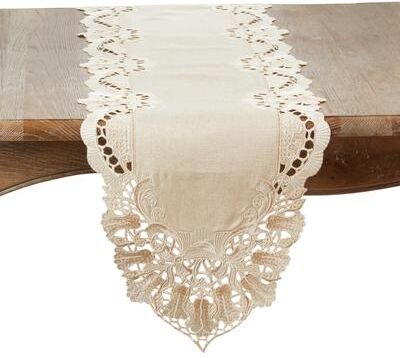
Saro Lifestyle "Sheer Beauty Embroidered Table Runner - 16""x72"""Enhance your dining table with the Sheer Beauty Embroidered Table Runner. This elegant piece adds texture and style to your setup, making every meal feel like a special occasion.29,81 $*Shipping: 0,00 $Secure redirect to the provider
-
Nivea Pearl & Beauty Deodorant Spray 35ml Travel SizeA convenient travel-size deodorant spray that provides reliable 48-hour protection against sweat and odour. Infused with pearl extracts, the gentle formula helps care for underarm skin while promoting a smooth, soft feel and an even appearance. Leaves a delicate, long-lasting fragrance for all-day freshness wherever you go.3,50 £*Shipping: 3,99 £Secure redirect to the provider
-
Paul Mitchell Clean Beauty Hydrate Travel Gift SetCrafted to replenish dry and thirsty hair, the hydrate shampoo gently cleanses with a lather that will leave your hair soft and healthy looking. The hydrate conditioner quenches dry, thirsty strands with the hydrating goodness of plants. Both shampoo & conditioner are infused with organic Olive and Oat Peptide which help to maintain hair health, protect the scalp and restore moisture balance. This travel set also includes a 3.4 oz styling cream. Versatile and lightweight, this cream provides multiple benefits by softening, smoothing and sealing hair. Flax seed and ferulic acid infusion helps to nourish, strengthen and protect strands against any external stressors. Manufactured using 100% clean energy, carbon negative and in bio-based 100% recyclable packaging. Vegan, cruelty free and safe for coloured hair. Ingredients: Hydrate Shampoo 1.7 oz. (50ml) Aqua (Water, Eau), Sodium C14-16 Olefin Sulfonate, Sodium Cocoamphoacetate, Glycerin, Silicone Quaternium-22, Cocamidopropyl Betaine, Verbascum Densiflorum Flower/Stem Extract, Helichrysum Italicum Extract, Cota Tinctoria Flower/Leaf/Stem Extract, Linum Usitatissimum, (Linseed) Seed Extract, Avena Sativa (Oat) Peptide, Olive Glycerides, Acrylates/C10-30 Alkyl Acrylate Crosspolymer, Ppg-3 Myristyl Ether, Polyquaternium-10, Peg-12 Dimethicone, Caprylyl Glycol, Glycol Distearate, Isostearyl Neopentanoate, Glyceryl Linoleate, Glyceryl Linolenate, Glyceryl Oleate, Laureth-4, Dimethylglucamine, Trideceth-8, Citric Acid, Disodium Edta, Phenoxyethanol, Sodium Gluceptate, Sodium Benzoate, Phenethyl Alcohol, Potassium Sorbate, Parfum (Fragrance), Limonene, Benzyl Alcohol Hydrate Conditioner 1.7 oz. (50ml) Aqua (Water, Eau), Cetearyl Alcohol, Behentrimonium Chloride, Amodimethicone, Cetyl Esters, Isostearyl Neopentanoate, Verbascum Densiflorum Flower/Stem Extract, Helichrysum Italicum, Extract, Cota Tinctoria Flower/Leaf/Stem Extract, Linum Usitatissimum (Linseed) Seed Extract, Avena, Sativa (Oat) Peptide, Olive Glycerides, Caprylyl Glycol, Glycerin, Glyceryl Oleate, Trideceth-12, C11-15 Pareth-7, Laureth-9, Cetrimonium Chloride, Glyceryl Linolenate, Glyceryl Linoleate, Citric Acid, Disodium Edta, Phenoxyethanol, Potassium Sorbate, Sodium Benzoate, Parfum (Fragrance), Benzyl Alcohol, Limonene Styling Cream 3.4 oz. (100 ml) Aqua (Water, Eau), Cetearyl Alcohol, Vp/Dmapa Acrylates Copolymer, Polyquaternium-37, Behentrimonium Methosulfate, Dimethicone, Propylene Glycol, Linum Usitatissimum (Linseed) Seed Extract, Hydrolyzed Vegetable Protein, Helianthus Annuus (Sunflower) Seed Extract, Ferulic Acid, Hydrolyzed Olive Fruit, Alcohol Denat, Ppg-20 Methyl Glucose Ether, Caprylyl Glycol, Panthenol, Cetrimonium Chloride, Citric Acid, Glycerin, Disodium Edta, Sodium Benzoate, Phenoxyethanol, Benzalkonium Chloride, Potassium Sorbate, Parfum (Fragrance), Benzyl Alcohol40,50 £*Shipping: 0,00 £Secure redirect to the provider
-
How does one read Sanskrit?
Reading Sanskrit involves understanding the Devanagari script, which is the script used to write Sanskrit. Each character in Devanagari represents a specific sound, and the script is written from left to right. It is important to learn the pronunciation rules and understand the diacritical marks used in Sanskrit to correctly read and pronounce the words. Practice and familiarity with the script are key to becoming proficient in reading Sanskrit texts. **
-
How can one learn Sanskrit?
One can learn Sanskrit through various means such as enrolling in a formal course at a university or language institute, finding a private tutor, or using online resources and self-study materials. There are also many books, apps, and websites available for learning Sanskrit, as well as online courses and tutorials. It is important to practice regularly and immerse oneself in the language as much as possible to gain proficiency. Additionally, seeking out opportunities to engage with native speakers and participate in language exchange programs can also be beneficial for learning Sanskrit. **
-
How can one best learn Sanskrit?
One of the best ways to learn Sanskrit is by taking formal classes with a qualified teacher who can provide guidance and feedback. Additionally, practicing regularly by reading Sanskrit texts, writing in Sanskrit, and speaking the language with others can help reinforce learning. Utilizing resources such as textbooks, online courses, and language learning apps can also be beneficial in supplementing one's learning. Immersing oneself in the language and culture by attending Sanskrit workshops, seminars, or visiting India can further enhance one's understanding and proficiency in Sanskrit. **
-
How can one write 'heart' in Sanskrit?
The word "heart" in Sanskrit is written as "हृदय" (hṛdaya). This word is used to refer to the physical heart as well as the emotional and spiritual center of a person. In Sanskrit, the heart is considered the seat of emotions, consciousness, and the source of life. **
Similar search terms for Sanskrit
-
Beauty Check-in Kit - Travel Size Makeup Kit Charlotte Tilbury 3062 Beauty Check-in Kit Size:Darlings, never be without my beauty bestsellers with my NEW! Beauty Check-In Kit! Including 5 mini makeup icons in your favourite formulas, this is the perfect kit of travel essentials for on-the-go touch-ups! ONLY available on CharlotteTilbury.com and the Charlotte Tilbury App, this kit includes:72,00 £*Shipping: 0,00 £Secure redirect to the provider
-
Notino Travel Collection Beauty Box makeup case Black 1 pcNotino Travel Collection Beauty Box, 1 pc, Makeup bag for Women, Do you want to keep your beauty essentials secure in one spot? Then the stylish Notino Travel Collection Cosmetic bag toiletry bag is the right choice for you. It’s great for travelling, as well as for storing your makeup or skincare in the bathroom. It combines practicality, functionality and style and ensures that there is no risk of spills or leaks and that everything has its place and you can easily keep track of your products. Characteristics: spacious cosmetic bag – perfect for longer journeys offers a wide variety of uses good quality, durable material practical zipper closure fresh modern design5,70 £*Shipping: 3,99 £Secure redirect to the provider
-
Which language is most similar to Sanskrit?
The language most similar to Sanskrit is probably Hindi. Both languages belong to the Indo-Aryan branch of the Indo-European language family and share a lot of vocabulary, grammar, and phonetic features. Many words in Hindi are derived from Sanskrit, and the two languages also have similar sentence structures and verb conjugations. Additionally, both languages use the Devanagari script for writing. **
-
Which language is older, Urdu or Sanskrit?
Sanskrit is considered to be older than Urdu. Sanskrit is an ancient Indo-Aryan language that has been used in the Indian subcontinent for thousands of years and is the liturgical language of Hinduism, Buddhism, and Jainism. Urdu, on the other hand, is a more recent language that developed in the Indian subcontinent during the Mughal period, blending elements of Persian, Arabic, and Turkish with local languages. Therefore, Sanskrit is generally considered to be older than Urdu. **
-
What is the Sanskrit translation for Tattoo?
The Sanskrit translation for Tattoo is "लोहचिह्न" (lohacihna). **
-
What does the term batukaya mean in Sanskrit?
The term "batukaya" in Sanskrit refers to a group of young boys or disciples. It is often used to describe a group of students or followers who are learning from a teacher or guru. The term carries connotations of youthful energy, enthusiasm, and a willingness to learn. In Hindu mythology, the term is also associated with the youthful form of the god Shiva. **
* All prices are inclusive of VAT and, if applicable, plus shipping costs. The offer information is based on the details provided by the respective shop and is updated through automated processes. Real-time updates do not occur, so deviations can occur in individual cases. ** Note: Parts of this content were created by AI.