Buy blog.co.at ?
We are moving the project
blog.co.at .
Are you interested in purchasing the domain
blog.co.at ?
domain@kv-gmbh.de · 0541-91531010
Buy blog.co.at ?
Are bacteria living organisms? Are viruses living organisms?
Yes, bacteria are living organisms. They are single-celled microorganisms that can reproduce, metabolize, and respond to their environment. On the other hand, viruses are not considered living organisms. They are acellular entities that require a host cell to replicate and do not have the characteristics of living organisms such as metabolism or the ability to reproduce on their own. **
What is the difference between autotrophic organisms and heterotrophic organisms?
Autotrophic organisms are able to produce their own food through processes like photosynthesis or chemosynthesis, using energy from sunlight or inorganic compounds. Heterotrophic organisms, on the other hand, cannot produce their own food and must obtain nutrients by consuming other organisms or organic matter. This fundamental difference in how they obtain energy and nutrients is what distinguishes autotrophic and heterotrophic organisms. **

Similar search terms for Organisms
Top-Angebote
Products related to Organisms:
-
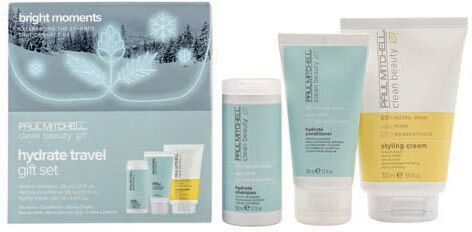
Paul Mitchell Clean Beauty Hydrate Travel Gift SetCrafted to replenish dry and thirsty hair, the hydrate shampoo gently cleanses with a lather that will leave your hair soft and healthy looking. The hydrate conditioner quenches dry, thirsty strands with the hydrating goodness of plants. Both shampoo & conditioner are infused with organic Olive and Oat Peptide which help to maintain hair health, protect the scalp and restore moisture balance. This travel set also includes a 3.4 oz styling cream. Versatile and lightweight, this cream provides multiple benefits by softening, smoothing and sealing hair. Flax seed and ferulic acid infusion helps to nourish, strengthen and protect strands against any external stressors. Manufactured using 100% clean energy, carbon negative and in bio-based 100% recyclable packaging. Vegan, cruelty free and safe for coloured hair. Ingredients: Hydrate Shampoo 1.7 oz. (50ml) Aqua (Water, Eau), Sodium C14-16 Olefin Sulfonate, Sodium Cocoamphoacetate, Glycerin, Silicone Quaternium-22, Cocamidopropyl Betaine, Verbascum Densiflorum Flower/Stem Extract, Helichrysum Italicum Extract, Cota Tinctoria Flower/Leaf/Stem Extract, Linum Usitatissimum, (Linseed) Seed Extract, Avena Sativa (Oat) Peptide, Olive Glycerides, Acrylates/C10-30 Alkyl Acrylate Crosspolymer, Ppg-3 Myristyl Ether, Polyquaternium-10, Peg-12 Dimethicone, Caprylyl Glycol, Glycol Distearate, Isostearyl Neopentanoate, Glyceryl Linoleate, Glyceryl Linolenate, Glyceryl Oleate, Laureth-4, Dimethylglucamine, Trideceth-8, Citric Acid, Disodium Edta, Phenoxyethanol, Sodium Gluceptate, Sodium Benzoate, Phenethyl Alcohol, Potassium Sorbate, Parfum (Fragrance), Limonene, Benzyl Alcohol Hydrate Conditioner 1.7 oz. (50ml) Aqua (Water, Eau), Cetearyl Alcohol, Behentrimonium Chloride, Amodimethicone, Cetyl Esters, Isostearyl Neopentanoate, Verbascum Densiflorum Flower/Stem Extract, Helichrysum Italicum, Extract, Cota Tinctoria Flower/Leaf/Stem Extract, Linum Usitatissimum (Linseed) Seed Extract, Avena, Sativa (Oat) Peptide, Olive Glycerides, Caprylyl Glycol, Glycerin, Glyceryl Oleate, Trideceth-12, C11-15 Pareth-7, Laureth-9, Cetrimonium Chloride, Glyceryl Linolenate, Glyceryl Linoleate, Citric Acid, Disodium Edta, Phenoxyethanol, Potassium Sorbate, Sodium Benzoate, Parfum (Fragrance), Benzyl Alcohol, Limonene Styling Cream 3.4 oz. (100 ml) Aqua (Water, Eau), Cetearyl Alcohol, Vp/Dmapa Acrylates Copolymer, Polyquaternium-37, Behentrimonium Methosulfate, Dimethicone, Propylene Glycol, Linum Usitatissimum (Linseed) Seed Extract, Hydrolyzed Vegetable Protein, Helianthus Annuus (Sunflower) Seed Extract, Ferulic Acid, Hydrolyzed Olive Fruit, Alcohol Denat, Ppg-20 Methyl Glucose Ether, Caprylyl Glycol, Panthenol, Cetrimonium Chloride, Citric Acid, Glycerin, Disodium Edta, Sodium Benzoate, Phenoxyethanol, Benzalkonium Chloride, Potassium Sorbate, Parfum (Fragrance), Benzyl Alcohol40,50 £*Shipping: 0,00 £Secure redirect to the provider
-
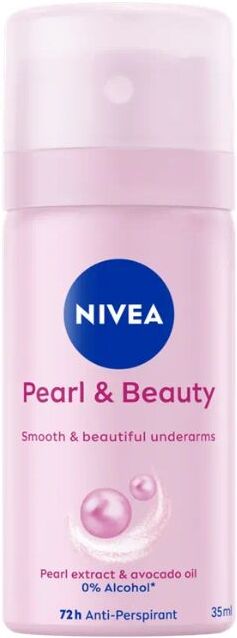
Nivea Pearl & Beauty Deodorant Spray 35ml Travel SizeA convenient travel-size deodorant spray that provides reliable 48-hour protection against sweat and odour. Infused with pearl extracts, the gentle formula helps care for underarm skin while promoting a smooth, soft feel and an even appearance. Leaves a delicate, long-lasting fragrance for all-day freshness wherever you go.3,50 £*Shipping: 3,99 £Secure redirect to the provider
-
Which organisms form endospores?
Endospores are formed by certain types of bacteria, such as Bacillus and Clostridium species. These organisms produce endospores as a survival mechanism in response to unfavorable environmental conditions, such as nutrient depletion or extreme temperatures. Endospores are highly resistant structures that allow these bacteria to remain dormant until conditions become more favorable for growth and reproduction. **
-
Are spores living organisms?
Spores are not considered living organisms because they are dormant structures produced by some organisms, such as fungi, algae, and plants, to aid in reproduction and survival. While spores have the potential to develop into living organisms under suitable conditions, they are metabolically inactive and do not exhibit the characteristics of life, such as growth, reproduction, and response to stimuli, in their dormant state. **
-
Are viruses living organisms?
Viruses are not considered living organisms because they lack the ability to carry out essential life processes on their own. They cannot reproduce, grow, or metabolize without a host cell. While they contain genetic material like DNA or RNA, they are unable to function independently and rely on host cells to replicate and survive. **
-
What are eukaryotic organisms?
Eukaryotic organisms are organisms whose cells have a true nucleus, as well as other membrane-bound organelles such as mitochondria and the endoplasmic reticulum. These organisms can be single-celled or multicellular and include plants, animals, fungi, and protists. Eukaryotic cells are more complex than prokaryotic cells, which lack a true nucleus and membrane-bound organelles. Eukaryotic organisms are found in a wide range of environments and play crucial roles in ecosystems and the biosphere. **

Are bacteria living organisms?
Yes, bacteria are living organisms. They are single-celled microorganisms that can be found in various environments, including soil, water, and inside the human body. Bacteria exhibit many of the characteristics of living organisms, such as the ability to reproduce, respond to their environment, and carry out metabolic processes to obtain energy. Therefore, they are considered to be living organisms. **
What are transgenic organisms?
Transgenic organisms are organisms that have had foreign genes inserted into their genetic material through genetic engineering techniques. These foreign genes can come from a different species and are typically inserted to give the organism a specific trait or characteristic, such as resistance to pests or diseases, or the ability to produce a certain protein. Transgenic organisms are commonly used in agriculture to improve crop yields and in medicine to produce pharmaceuticals. However, there is ongoing debate about the potential environmental and health impacts of transgenic organisms. **
Top-Angebote
Products related to Organisms:
-
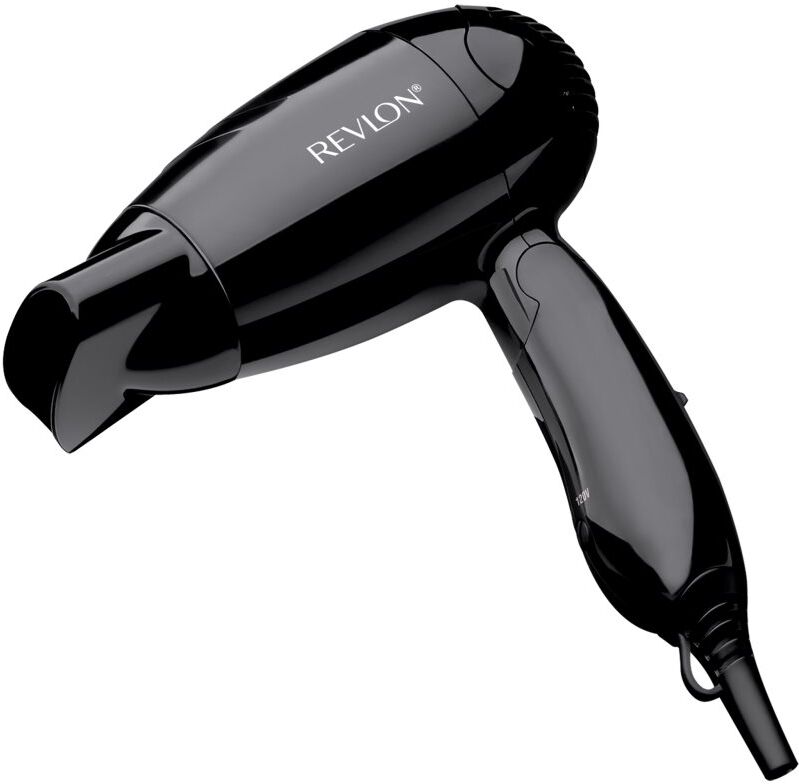
Revlon Beauty Hair Dryer Travel travel hairdryer 1 pcRevlon Beauty Hair Dryer Travel, 1 pc, Travel Hair Dryers and Straighteners for Women, Anyone who travels frequently knows that every extra centimetre and gram matters. If you do not like to leave your hair wet after washing it, but you don’t have any room left in your luggage, the Revlon Beauty Hair Dryer Travel travel hairdryer provides an elegant and simple solution. Thanks to its folding handle and compact dimensions, it takes up only minimum space, and despite its smaller size, it dries any hair type quickly, effectively and gently at the same time. Do not compromise when it comes to effective hair drying. Put your trust in the compact yet efficient hairdryer that fits into any bag, backpack or suitcase, accompanying you during your travels. Characteristics: ideal for travelling option to regulate speed light weight, ergonomic design folding handle How to use: Follow the instructions for use included.18,90 £*Shipping: 3,99 £Secure redirect to the provider
-
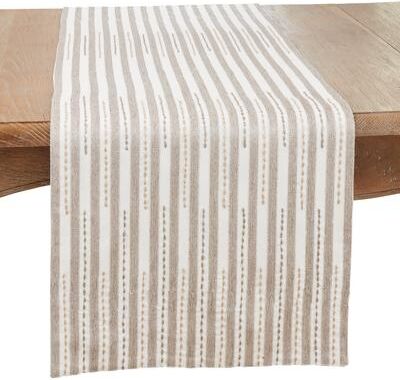
Saro Lifestyle "Sheer Beauty Embroidered Table Runner - 16""x72"""Enhance your dining table with the Sheer Beauty Embroidered Table Runner. This elegant piece adds texture and style to your setup, making every meal feel like a special occasion.29,81 $*Shipping: 0,00 $Secure redirect to the provider
-
Paul Mitchell Clean Beauty Hydrate Travel Gift SetCrafted to replenish dry and thirsty hair, the hydrate shampoo gently cleanses with a lather that will leave your hair soft and healthy looking. The hydrate conditioner quenches dry, thirsty strands with the hydrating goodness of plants. Both shampoo & conditioner are infused with organic Olive and Oat Peptide which help to maintain hair health, protect the scalp and restore moisture balance. This travel set also includes a 3.4 oz styling cream. Versatile and lightweight, this cream provides multiple benefits by softening, smoothing and sealing hair. Flax seed and ferulic acid infusion helps to nourish, strengthen and protect strands against any external stressors. Manufactured using 100% clean energy, carbon negative and in bio-based 100% recyclable packaging. Vegan, cruelty free and safe for coloured hair. Ingredients: Hydrate Shampoo 1.7 oz. (50ml) Aqua (Water, Eau), Sodium C14-16 Olefin Sulfonate, Sodium Cocoamphoacetate, Glycerin, Silicone Quaternium-22, Cocamidopropyl Betaine, Verbascum Densiflorum Flower/Stem Extract, Helichrysum Italicum Extract, Cota Tinctoria Flower/Leaf/Stem Extract, Linum Usitatissimum, (Linseed) Seed Extract, Avena Sativa (Oat) Peptide, Olive Glycerides, Acrylates/C10-30 Alkyl Acrylate Crosspolymer, Ppg-3 Myristyl Ether, Polyquaternium-10, Peg-12 Dimethicone, Caprylyl Glycol, Glycol Distearate, Isostearyl Neopentanoate, Glyceryl Linoleate, Glyceryl Linolenate, Glyceryl Oleate, Laureth-4, Dimethylglucamine, Trideceth-8, Citric Acid, Disodium Edta, Phenoxyethanol, Sodium Gluceptate, Sodium Benzoate, Phenethyl Alcohol, Potassium Sorbate, Parfum (Fragrance), Limonene, Benzyl Alcohol Hydrate Conditioner 1.7 oz. (50ml) Aqua (Water, Eau), Cetearyl Alcohol, Behentrimonium Chloride, Amodimethicone, Cetyl Esters, Isostearyl Neopentanoate, Verbascum Densiflorum Flower/Stem Extract, Helichrysum Italicum, Extract, Cota Tinctoria Flower/Leaf/Stem Extract, Linum Usitatissimum (Linseed) Seed Extract, Avena, Sativa (Oat) Peptide, Olive Glycerides, Caprylyl Glycol, Glycerin, Glyceryl Oleate, Trideceth-12, C11-15 Pareth-7, Laureth-9, Cetrimonium Chloride, Glyceryl Linolenate, Glyceryl Linoleate, Citric Acid, Disodium Edta, Phenoxyethanol, Potassium Sorbate, Sodium Benzoate, Parfum (Fragrance), Benzyl Alcohol, Limonene Styling Cream 3.4 oz. (100 ml) Aqua (Water, Eau), Cetearyl Alcohol, Vp/Dmapa Acrylates Copolymer, Polyquaternium-37, Behentrimonium Methosulfate, Dimethicone, Propylene Glycol, Linum Usitatissimum (Linseed) Seed Extract, Hydrolyzed Vegetable Protein, Helianthus Annuus (Sunflower) Seed Extract, Ferulic Acid, Hydrolyzed Olive Fruit, Alcohol Denat, Ppg-20 Methyl Glucose Ether, Caprylyl Glycol, Panthenol, Cetrimonium Chloride, Citric Acid, Glycerin, Disodium Edta, Sodium Benzoate, Phenoxyethanol, Benzalkonium Chloride, Potassium Sorbate, Parfum (Fragrance), Benzyl Alcohol40,50 £*Shipping: 0,00 £Secure redirect to the provider
-
Are bacteria living organisms? Are viruses living organisms?
Yes, bacteria are living organisms. They are single-celled microorganisms that can reproduce, metabolize, and respond to their environment. On the other hand, viruses are not considered living organisms. They are acellular entities that require a host cell to replicate and do not have the characteristics of living organisms such as metabolism or the ability to reproduce on their own. **
-
What is the difference between autotrophic organisms and heterotrophic organisms?
Autotrophic organisms are able to produce their own food through processes like photosynthesis or chemosynthesis, using energy from sunlight or inorganic compounds. Heterotrophic organisms, on the other hand, cannot produce their own food and must obtain nutrients by consuming other organisms or organic matter. This fundamental difference in how they obtain energy and nutrients is what distinguishes autotrophic and heterotrophic organisms. **
-
Which organisms form endospores?
Endospores are formed by certain types of bacteria, such as Bacillus and Clostridium species. These organisms produce endospores as a survival mechanism in response to unfavorable environmental conditions, such as nutrient depletion or extreme temperatures. Endospores are highly resistant structures that allow these bacteria to remain dormant until conditions become more favorable for growth and reproduction. **
-
Are spores living organisms?
Spores are not considered living organisms because they are dormant structures produced by some organisms, such as fungi, algae, and plants, to aid in reproduction and survival. While spores have the potential to develop into living organisms under suitable conditions, they are metabolically inactive and do not exhibit the characteristics of life, such as growth, reproduction, and response to stimuli, in their dormant state. **
Similar search terms for Organisms
-
Nivea Pearl & Beauty Deodorant Spray 35ml Travel SizeA convenient travel-size deodorant spray that provides reliable 48-hour protection against sweat and odour. Infused with pearl extracts, the gentle formula helps care for underarm skin while promoting a smooth, soft feel and an even appearance. Leaves a delicate, long-lasting fragrance for all-day freshness wherever you go.3,50 £*Shipping: 3,99 £Secure redirect to the provider
-
Beauty Check-in Kit - Travel Size Makeup Kit Charlotte Tilbury 3135 Beauty Check-in Kit Size:Darlings, never be without my beauty bestsellers with my NEW! Beauty Check-In Kit! Including 5 mini makeup icons in your favourite formulas, this is the perfect kit of travel essentials for on-the-go touch-ups! ONLY available on CharlotteTilbury.com and the Charlotte Tilbury App, this kit includes:72,00 £*Shipping: 0,00 £Secure redirect to the provider
-
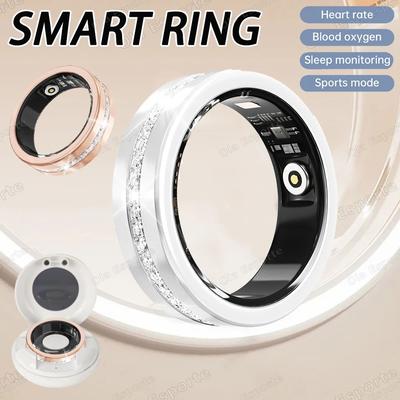
Uplift Treasures Fashion Smart Fitness Ring Heart Rate Pedometer Health Tracker black 10Product Description Combine style and wellness with this elegant smart fitness ring designed especially for everyday health tracking. Featuring heart rate monitoring, step counting, and sports activity tracking, this diamond style smart ring blends...33,97 $*Shipping: 0,00 $Secure redirect to the provider
-
Are viruses living organisms?
Viruses are not considered living organisms because they lack the ability to carry out essential life processes on their own. They cannot reproduce, grow, or metabolize without a host cell. While they contain genetic material like DNA or RNA, they are unable to function independently and rely on host cells to replicate and survive. **
-
What are eukaryotic organisms?
Eukaryotic organisms are organisms whose cells have a true nucleus, as well as other membrane-bound organelles such as mitochondria and the endoplasmic reticulum. These organisms can be single-celled or multicellular and include plants, animals, fungi, and protists. Eukaryotic cells are more complex than prokaryotic cells, which lack a true nucleus and membrane-bound organelles. Eukaryotic organisms are found in a wide range of environments and play crucial roles in ecosystems and the biosphere. **
-
Are bacteria living organisms?
Yes, bacteria are living organisms. They are single-celled microorganisms that can be found in various environments, including soil, water, and inside the human body. Bacteria exhibit many of the characteristics of living organisms, such as the ability to reproduce, respond to their environment, and carry out metabolic processes to obtain energy. Therefore, they are considered to be living organisms. **
-
What are transgenic organisms?
Transgenic organisms are organisms that have had foreign genes inserted into their genetic material through genetic engineering techniques. These foreign genes can come from a different species and are typically inserted to give the organism a specific trait or characteristic, such as resistance to pests or diseases, or the ability to produce a certain protein. Transgenic organisms are commonly used in agriculture to improve crop yields and in medicine to produce pharmaceuticals. However, there is ongoing debate about the potential environmental and health impacts of transgenic organisms. **
* All prices are inclusive of VAT and, if applicable, plus shipping costs. The offer information is based on the details provided by the respective shop and is updated through automated processes. Real-time updates do not occur, so deviations can occur in individual cases. ** Note: Parts of this content were created by AI.